Older homes in San Francisco often carry details and craftsmanship that are difficult to recreate today, which is why remodeling them requires a very different approach than updating a newer property. Many homeowners want to improve layout flow, modernize kitchens and bathrooms, or expand living space without losing the original charm that made the home special in the first place. What makes the process more complicated is that historic properties may also involve stricter permit reviews, aging infrastructure, structural concerns, and preservation considerations that can affect both design and construction timelines.
Understanding how a historic home remodel should be planned from the beginning can help homeowners avoid expensive mistakes later. For homeowners exploring home remodeling in San Francisco, balancing preservation with modern comfort is often one of the biggest renovation challenges. Together Home Remodeling has worked on projects where careful planning, thoughtful material selection, and smarter renovation strategies helped older homes feel updated while still preserving their original architectural identity.
Why Historic Homes Need a Different Remodeling Strategy
Historic homes are rarely straightforward renovation projects because many were built decades ago using older construction methods, outdated utility systems, and layouts that no longer match modern living needs. Unlike newer homes, remodeling older San Francisco properties often requires homeowners to think carefully about preserving original trim, flooring, molding, windows, or architectural details before demolition begins.
This is also where many homeowners first realize how important planning becomes during a historic home remodel project. Structural framing, aging plumbing, electrical systems, and foundation conditions may all require additional inspection or upgrades before cosmetic improvements can move forward. Homeowners researching permit expectations early should also understand how home remodeling permits and regulations San Francisco projects involve can affect timelines and approval requirements later in the process.
Understanding Permits Before Remodeling a Historic Home
Permits play a major role in many historic renovation projects because structural changes, additions, utility upgrades, and exterior modifications may require review before construction begins. In San Francisco, certain neighborhoods and older properties may also involve preservation-related considerations depending on the age and classification of the home.
A successful historic home remodel often starts with realistic planning around inspections, approvals, and contractor coordination. Projects involving wall removal, foundation upgrades, plumbing relocation, or electrical modernization typically require more oversight than simple cosmetic renovations.
This is one reason homeowners benefit from understanding the role of a general contractor in San Francisco before major renovation work begins. Better coordination between planning, permitting, and construction usually helps avoid expensive delays later.
Kitchen Remodeling in Historic San Francisco Homes
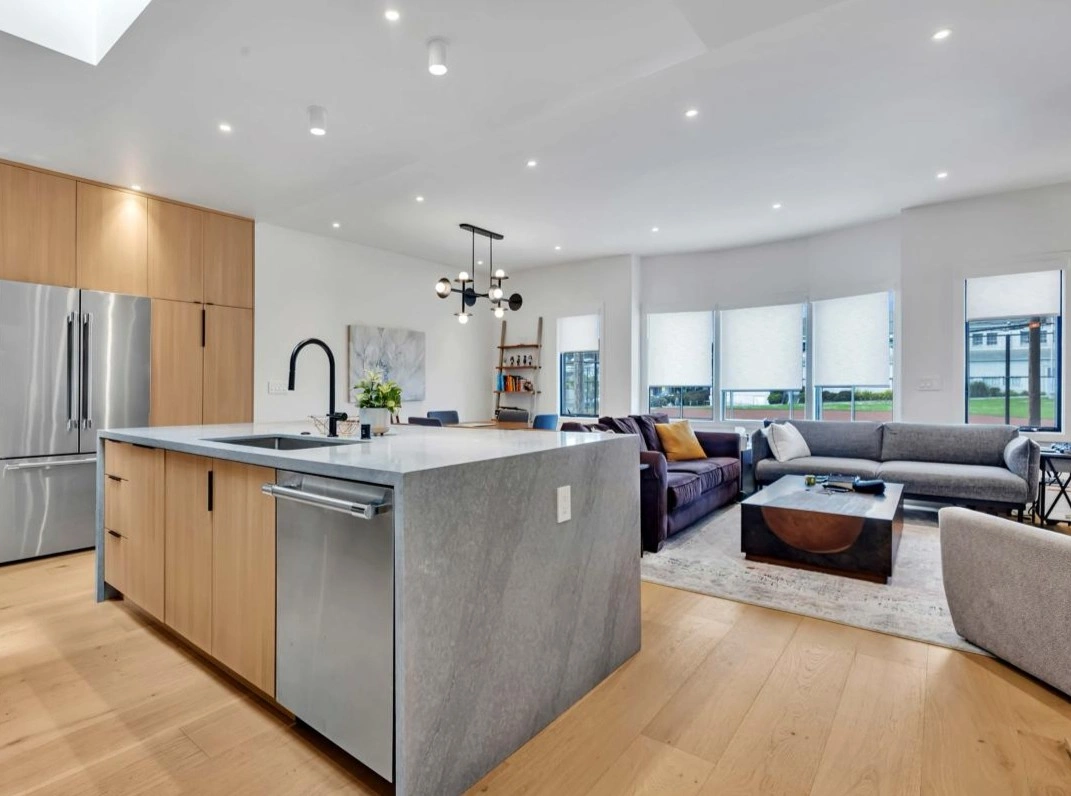
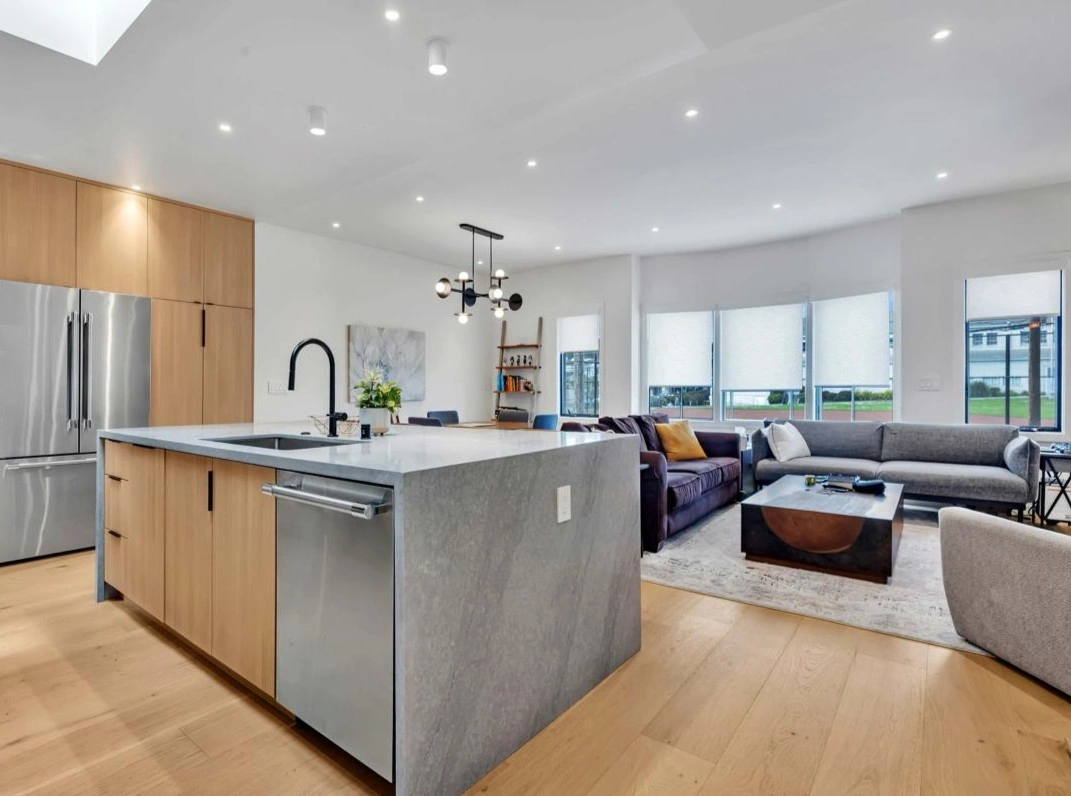
Kitchen renovations are one of the most common upgrades homeowners prioritize during a historic home remodel because older kitchens often lack storage, efficient layouts, modern lighting, or updated appliance infrastructure. The challenge is improving functionality without removing the character that makes the home feel unique.

In many San Francisco homes, kitchen remodeling involves carefully balancing old and new design elements. Original woodwork, ceiling details, or architectural features may still be preserved while cabinetry, plumbing, lighting, and appliances are modernized for daily use.
A thoughtful kitchen remodeling plan usually focuses on:
- improving workflow
- adding practical storage
- updating electrical systems
- maximizing natural light
- preserving historic character where possible
This balance is what often makes a historic home remodel feel authentic instead of overly modernized. A carefully planned historic home remodel usually creates a kitchen that feels more functional while still respecting the original architectural style of the property.
Bathroom Remodeling Without Losing Historic Character
Bathrooms in older homes frequently need major updates because plumbing systems, ventilation, layouts, and storage solutions were designed for a very different era. At the same time, many homeowners still want the finished bathroom to feel connected to the overall style of the house.
A successful historic home remodel approach usually means modernizing performance while preserving visual warmth and timeless design details. Tile selection, hardware finishes, lighting, and vanity design all play a major role in helping the bathroom feel updated without looking disconnected from the rest of the home.

For homeowners planning these upgrades, professional bathroom remodeling guidance becomes especially valuable when balancing preservation with modern usability. These bathroom remodeling practical tips can also help homeowners avoid common renovation mistakes before construction begins.
When Home Additions Make Sense for Historic Homes
Some historic homes simply do not have enough usable living space for modern lifestyles, especially for growing families or homeowners working remotely. In these situations, additions can create a better long-term solution without forcing homeowners to leave neighborhoods they already love.
However, additions during a historic home remodel require careful planning because new spaces should feel connected to the original structure instead of visually disconnected from it. Rear additions are often preferred over front-facing changes because they preserve the original curb appeal and architectural identity of the property.

Professional home addition services can help homeowners plan expansions that improve functionality while still respecting the style and proportions of older San Francisco homes.
Common Mistakes Homeowners Make During Historic Renovations
Many remodeling problems happen because homeowners move too quickly into demolition before fully understanding the condition of the home. A successful historic home remodel usually requires more patience, inspection, and planning than newer renovation projects.
| Common Mistake | Better Remodeling Approach |
|---|---|
| Removing original architectural details too quickly | Preserve or restore key historic elements |
| Ignoring structural inspections | Assess framing and foundations early |
| Using incompatible modern materials | Blend old and new carefully |
| Underestimating permit timelines | Plan approvals early |
| Treating the remodel like a standard renovation | Use a historic-home-specific strategy |
Avoiding these mistakes often creates a smoother remodeling process and a more cohesive final result.
Balancing Modern Living With Historic Preservation
One of the biggest goals during a historic home remodel is creating a home that feels comfortable for modern living without erasing the history that makes the property special. Open layouts, updated lighting, improved insulation, and smarter storage can all improve everyday function when integrated carefully.
Many homeowners also want to incorporate modern technology and energy efficiency while preserving architectural identity. This is why planning matters so much in older homes. A thoughtful renovation approach often protects long-term property value better than aggressive modernization that removes original design character.
For homeowners planning larger upgrades, reviewing completed projects in a professional project portfolio can help clarify which renovation styles feel balanced and appropriate for historic properties. The most successful historic home remodel projects improve comfort and efficiency without removing the architectural details that give older homes their identity.
FAQs About Historic Home Remodeling
Do historic homes require special permits in San Francisco?
Yes. Certain historic homes or older neighborhoods may involve additional permit reviews, inspections, or preservation-related approvals depending on the renovation scope.
Can you modernize a historic home without losing character?
Yes. Many successful historic renovations combine updated functionality with preserved architectural details and historically compatible materials.
Is kitchen remodeling harder in older homes?
In many cases, yes. Older plumbing, electrical systems, and layout limitations often make kitchen remodeling more complex in historic homes.
Are home additions allowed on historic properties?
They can be, but additions often require careful planning to maintain the appearance and architectural consistency of the original structure.
What is the biggest mistake during a historic home remodel?
One of the biggest mistakes is removing original character too quickly before fully evaluating which historic features should be preserved.
Final Thoughts on Remodeling Historic Homes in San Francisco
A successful historic home remodel is not just about updating finishes or modernizing layouts. It is about protecting the architectural identity of the home while improving the way the space functions for modern living. Historic properties often require more thoughtful planning, better contractor coordination, and greater attention to structural and permit considerations than standard remodeling projects.
For homeowners exploring home remodeling in San Francisco, balancing preservation with functionality usually creates the best long-term results. Whether the project involves kitchens, bathrooms, additions, or larger structural upgrades, careful preparation often makes the remodeling process smoother from beginning to end. Homeowners who are ready to start planning can explore the get a quote page to discuss renovation goals, project scope, and next steps with Together Home Remodeling.
Together Home Remodeling
Address: 1893 Hayes St, San Francisco, CA 94117, United States
Phone: +1 415-812-4926
Email: [email protected]