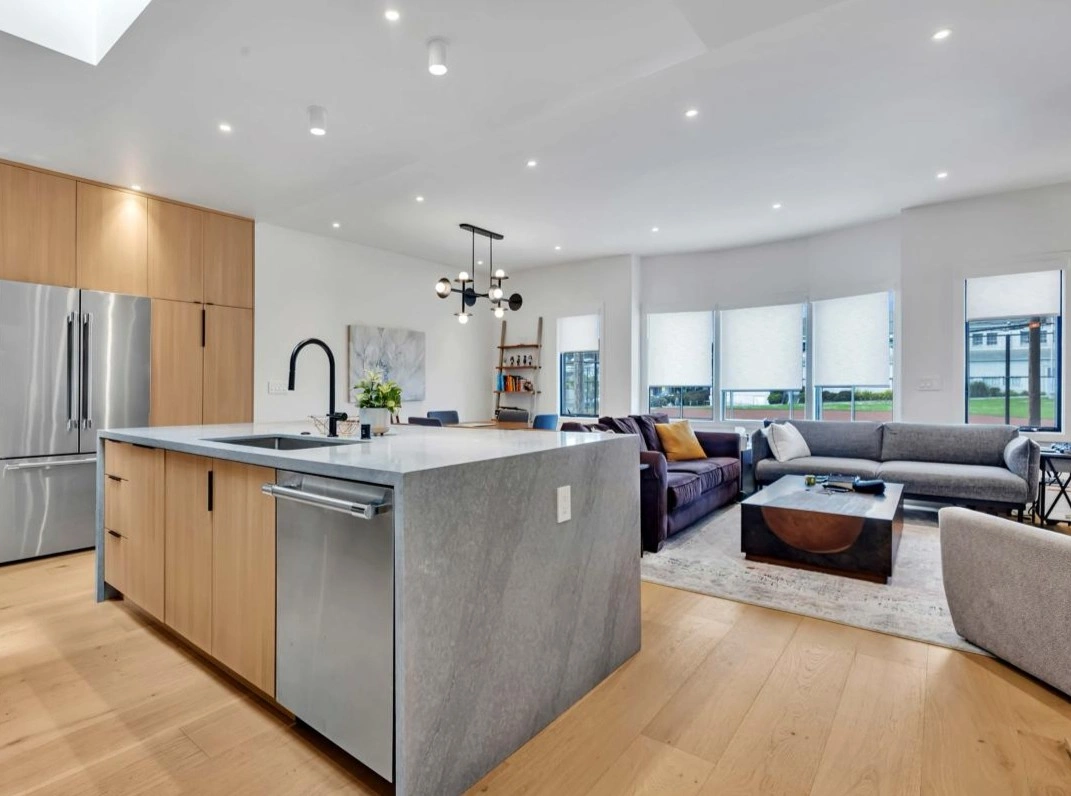
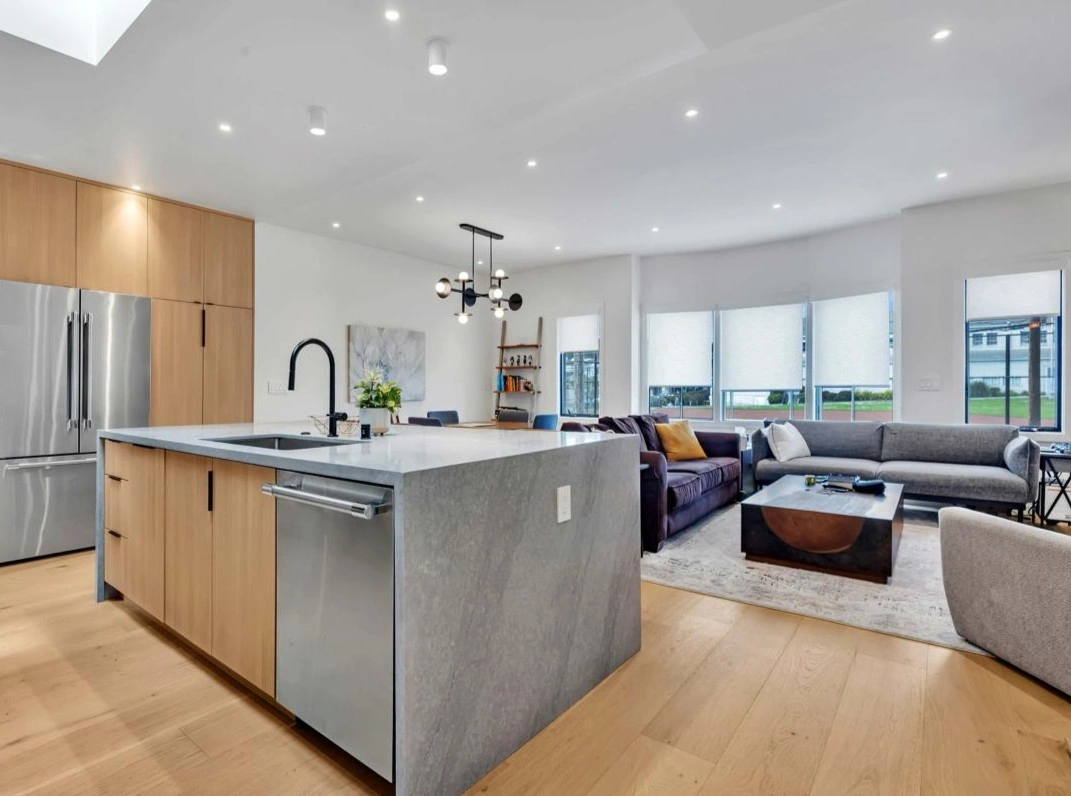
An $85,000 kitchen budget can be realistic in the Bay Area, but only after the word full is defined. For one homeowner, full means new cabinets, countertops, flooring, lighting and appliances in the existing footprint. For another, it means removing walls, moving utilities, ordering custom millwork and specifying premium appliances. Those are different projects.
The budget can work when priorities are clear and the scope is controlled. It becomes strained when several high-cost decisions are combined without tradeoffs. The most useful approach is to assign the budget before design details harden, then test every major decision against that total.
An $85,000 budget may support a complete mid-range kitchen renovation with disciplined selections and a stable layout. It may not cover a complex structural redesign, fully custom cabinetry, premium integrated appliances and extensive utility relocation at the same time.

What an $85,000 kitchen budget needs to cover
A true all-in budget should account for more than the visible finishes. Demolition, site protection, disposal, cabinet installation, countertop fabrication, electrical, plumbing, lighting, patching, paint, permit work and project coordination all consume part of the total.
The budget becomes easier to manage when the homeowner distinguishes must-haves from upgrades. A durable cabinet system and functional lighting may matter more than a specialty stone or a second premium appliance.
| Budget category | Protect first | Control carefully | Common pressure point |
|---|---|---|---|
| Cabinetry | Layout, storage and construction quality | Specialty inserts and decorative panels | Custom features added after design approval |
| Surfaces | Durable counter and proper fabrication | Rare slabs and complex edge details | Large islands requiring extra material |
| Trades | Code-compliant plumbing, electrical and ventilation | Unnecessary relocation of utilities | Hidden conditions in older homes |
| Appliances | Correct sizes and installation requirements | Luxury packages that reshape cabinetry | Late model changes |
| Finishes | Cohesive flooring, backsplash and paint | Too many premium selections at once | Small upgrades accumulating across the room |
How we test whether the number matches the design
Before recommending a direction, our remodeling team looks at the room as a connected system. These are the practical checks that usually determine whether the idea will work in the field:
Choose one or two visible upgrades that matter most, then keep supporting selections disciplined. A premium range and strong cabinetry can still feel intentional when the backsplash, hardware and decorative lighting stay within a controlled range.
Use the cost plan as a design tool
The budget should guide the design, not appear after the design is finished. Our San Francisco Bay Area kitchen cost guide breaks the total into practical categories so homeowners can see where one choice creates work in several trades.
When the design team knows the ceiling, alternatives can be evaluated before orders are placed. Keeping the sink in place, simplifying an island or choosing semi-custom cabinetry may preserve the features the homeowner values most.
What can push an $85,000 plan off course
Most kitchen problems do not begin with one dramatic failure. They begin with assumptions that were never tested or responsibilities that were never assigned clearly.
- Treating appliances as separate: Appliance dimensions affect cabinets, electrical service, ventilation and installation labor.
- Underpricing cabinets: Cabinets are not just doors and boxes; panels, fillers, trim, hardware and installation matter.
- Adding scope during demolition: A pantry wall, new opening or relocated sink changes more than one line item.
- Buying before plans are final: Products that do not fit the approved design can create restocking costs and delays.
How an $85,000 renovation can stay coherent
Consider a kitchen with a workable footprint and dated finishes. The homeowner prioritizes new semi-custom cabinetry, durable quartz counters, improved task lighting and a quality appliance package. By keeping plumbing locations stable and avoiding structural work, the project can direct more of the budget toward the surfaces and storage used every day. The result can feel complete without trying to include every luxury option.
A coordinated scope protects the budget
Our team reviews cabinet plans, appliance specifications and trade needs together because the budget is usually lost at the connections between them. A refrigerator change can affect panels and clearances. An island change can affect flooring, outlets and lighting.
Through our kitchen remodeling service, Together Home Remodeling helps Bay Area homeowners turn a target budget into a practical construction scope with clear priorities and fewer late surprises.
Experience-based planning: Bay Area homes differ in age, access, framing and existing systems. A final recommendation should follow field measurements, product specifications and a project-specific review rather than a generic online rule.
Frequently asked questions
Can $85,000 cover custom cabinets?
It may, depending on kitchen size and the rest of the scope, but fully custom millwork can consume a large share of the budget.
Should appliances be included in the $85,000 total?
For useful planning, yes. Include appliances, delivery, installation requirements and any related cabinet or electrical work.
What is the best way to stay within the budget?
Keep the layout controlled, make selections before construction, use realistic allowances and require written approval for changes.
The bottom line on an $85,000 Bay Area kitchen
The number is realistic for some full renovations and unrealistic for others. The deciding factors are layout, cabinet level, appliances, utility work and the completeness of the estimate. Define the scope first, price the entire project and make deliberate tradeoffs before construction begins.