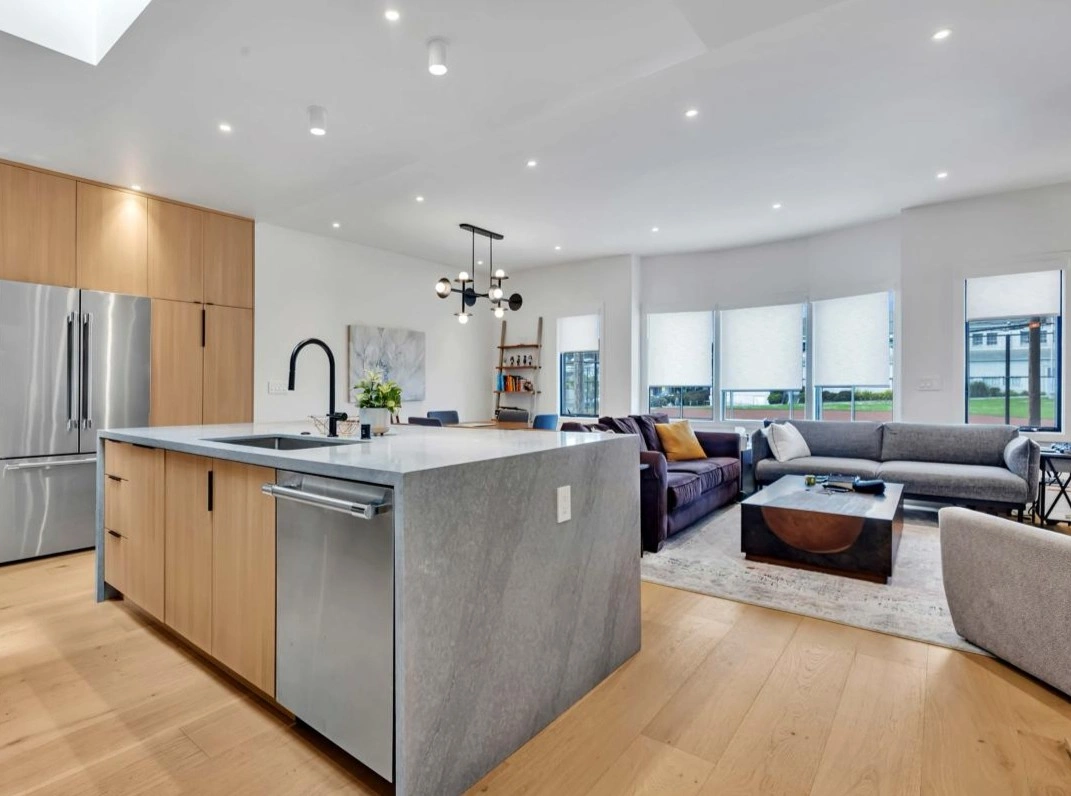
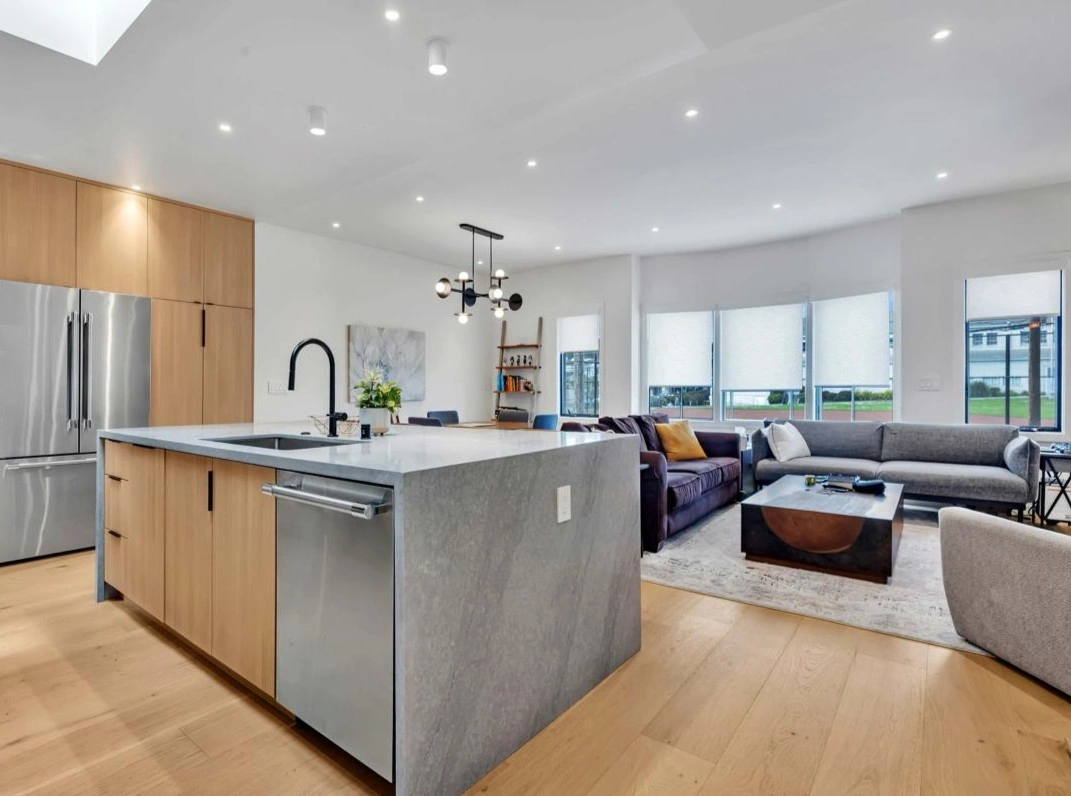
Keeping working appliances can be a practical way to protect the remodeling budget, but only if the new kitchen is designed for both the current appliance and the realistic replacement that will come later.
Yes, existing appliances can often stay, but the cabinet openings, utilities and clearances should be planned around future replacements before the remodel is built. Otherwise a later appliance upgrade can trigger cabinet, counter or electrical changes.

Design for the replacement, not only the appliance you own today
Measure the existing appliance and identify the likely size category you would buy next. If the current refrigerator is unusually narrow or the range is an uncommon configuration, copying the opening exactly may lock the kitchen into a shrinking set of replacement options.
Where possible, use standard planning dimensions and fillers or panels that can be adjusted later without rebuilding an entire cabinet run.
| Appliance decision | Keep now when… | Replace now when… |
|---|---|---|
| Refrigerator | It is reliable and fits a future-friendly opening | Its dimensions force a compromised cabinet plan |
| Range | Utilities and width match the long-term cooking plan | You expect a different fuel type or size soon |
| Dishwasher | It is recent and standard size | It is unreliable or the panel strategy is changing |
| Hood | It meets the new ventilation plan | The remodel changes cooking equipment or ducting |
| Microwave | It is independent of cabinetry | The new design integrates it into a cabinet or island |
Utility capacity matters even when the appliance stays
A kitchen remodel is the best time to consider future electrical, gas, water and ventilation needs because walls and cabinets are already being worked on.
If you expect to switch from gas to induction later, for example, planning the electrical capacity during the remodel may be more efficient than reopening the kitchen after everything is finished.
Decide which appliances are worth carrying through construction
An appliance that is near the end of its useful life may not be worth designing around, moving, storing and reinstalling. Large refrigerators and ranges can also be damaged when repeatedly moved.
Compare the savings from keeping it with the cost and risk of fitting the kitchen around a temporary item.
Future-proofing checklist
Before making the decision, it helps to separate the visible design choice from the field conditions, responsibilities and trade work that sit behind it. These are the checks our remodeling team would want resolved before the scope is locked:
A small amount of future-proofing during an open-wall remodel can be much cheaper than altering finished cabinetry later. Plan for the next appliance even if you do not buy it today.
Common mistakes that make this decision more expensive
Most avoidable problems come from assumptions that survive too long. The following mistakes are worth resolving while the project is still on paper:
- Building an opening to one unusual appliance: Future choices become limited.
- Ignoring future electrical needs: A later upgrade may require new circuits or panel work.
- Reinstalling an appliance that is already failing: Short-term savings can create near-term disruption.
- Assuming all same-width models fit the same: Depth, door swing and ventilation still vary.
Saving now without boxing in the future
A homeowner keeps a five-year-old refrigerator and dishwasher but expects to replace the range with induction in a few years. The remodel preserves standard appliance openings and provides the appropriate electrical planning while the walls are accessible. The homeowner avoids the immediate appliance expense without forcing the next upgrade to become another remodeling project.
How this decision fits into the full kitchen project
Our Bay Area kitchen remodeling cost guide explains how appliance spending fits into the all-in budget rather than being treated as a separate purchase. Together Home Remodeling’s kitchen remodeling service coordinates current appliances with future cabinet and utility needs.
At Together Home Remodeling, we look at these choices in relation to the room that exists, the household using it, the permitted scope, the selected products and the construction sequence. That prevents one isolated upgrade from creating avoidable work somewhere else in the kitchen.
Experience-based planning: Bay Area homes vary in age, access, framing and existing systems. Final recommendations should follow field measurements, product specifications and a project-specific review rather than a generic online rule.
Frequently asked questions
Can I reuse my existing refrigerator in a new cabinet layout?
Often yes, if its dimensions and clearances are compatible with the new design and future replacement plan.
Should I move old appliances out during construction?
Usually the project team will determine protection, storage or temporary relocation based on the construction sequence.
Is it smart to prewire for future induction cooking?
It can be if induction is a realistic future plan, but the required electrical scope should be evaluated for the specific home.
The bottom line on keeping appliances during a remodel
Keeping appliances can free money for cabinetry, lighting or other durable improvements. Just make sure the finished kitchen is not designed around a temporary machine. Plan the openings and utilities for the next replacement before the current appliance goes back in.