Quartz and quartzite are often compared because the names sound similar, but they are different materials with different appearance, fabrication, maintenance and performance characteristics.
Quartzite can be worth the additional cost when the homeowner values natural stone, unique slab movement and accepts the maintenance and fabrication considerations. Quartz is often the easier choice when consistency, lower maintenance and predictable design are higher priorities.

Start with the material difference, not the showroom color
Quartz is an engineered surface made with mineral content and binders, which allows manufacturers to produce consistent patterns and colors. Quartzite is a natural stone quarried in slabs, so each piece has its own veining, mineral variation and structural characteristics.
That difference affects design. With quartzite, slab selection and layout can become part of the project because the exact stone matters. With quartz, samples are generally more representative of the finished visual direction, though batch variation can still occur.
| Decision factor | Quartz | Quartzite |
|---|---|---|
| Appearance | More consistent and repeatable | Natural variation and unique slabs |
| Maintenance | Generally lower routine maintenance | May require sealing and stone-specific care |
| Selection process | Samples often guide the choice | Exact slab selection can be important |
| Fabrication | More predictable | Can require closer review of slab characteristics |
| Best fit | Consistency and convenience | Natural-stone character and uniqueness |
Fabrication and maintenance belong in the cost comparison
Natural stone may require sealing and more careful review of fissures, absorption and stain behavior. Complex edges, large islands and seam placement also depend on the characteristics of the selected slab.
Quartz is typically more predictable to fabricate and maintain, but it is still a finished surface that needs appropriate care. Heat exposure, installation quality and manufacturer guidance matter.
Choose based on the kitchen, not a universal winner
A busy family that wants a low-maintenance surface may value predictability more than one-of-a-kind stone. A design-led kitchen may justify quartzite because the slab becomes a major architectural element.
The question is whether the material's visual and tactile value is important enough to justify the premium within the total kitchen budget.
Questions to answer at the slab stage
Before making the decision, it helps to separate the visible design choice from the field conditions, responsibilities and trade work that sit behind it. These are the checks our remodeling team would want resolved before the scope is locked:
For quartzite, approve the actual slab and discuss seam placement before fabrication. A small sample cannot show the full movement, fissures and color variation across a large natural-stone surface.
Common mistakes that make this decision more expensive
Most avoidable problems come from assumptions that survive too long. The following mistakes are worth resolving while the project is still on paper:
- Buying quartzite from a tiny sample: The full slab can look very different.
- Assuming natural means indestructible: Stone still requires appropriate care and fabrication.
- Ignoring seam planning: Large islands may make slab dimensions critical.
- Spending the contingency on stone: Protect the construction reserve before upgrading surfaces.
When the premium makes sense
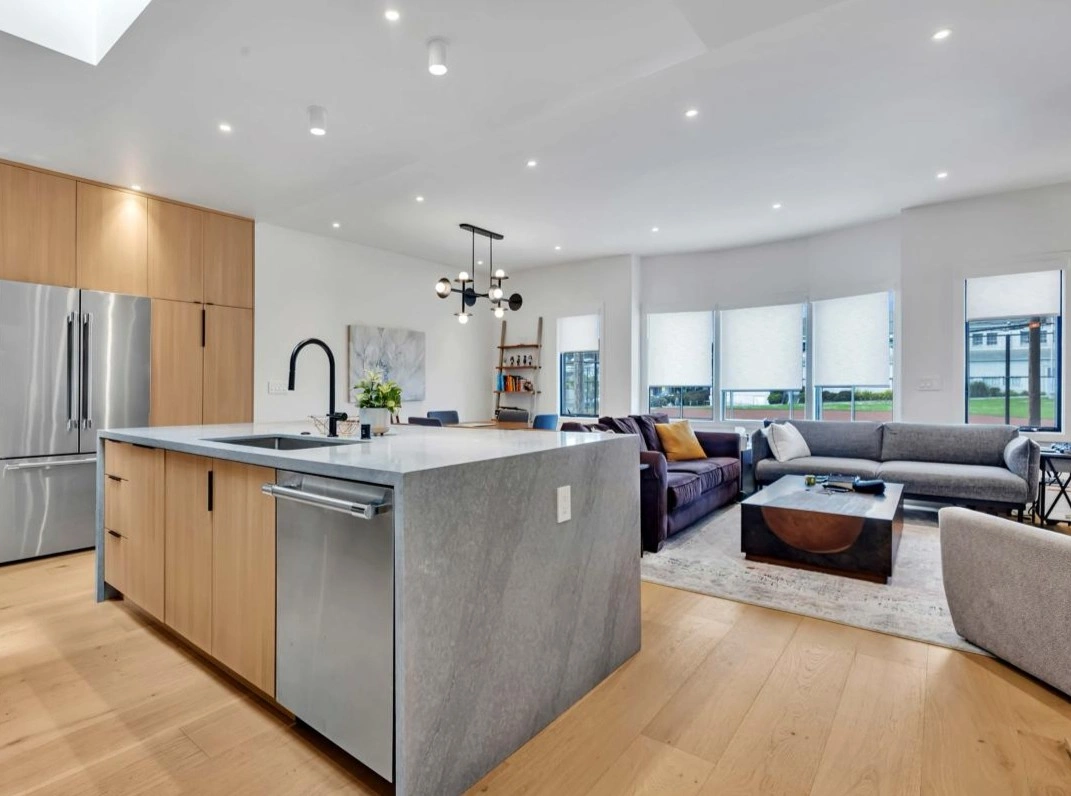
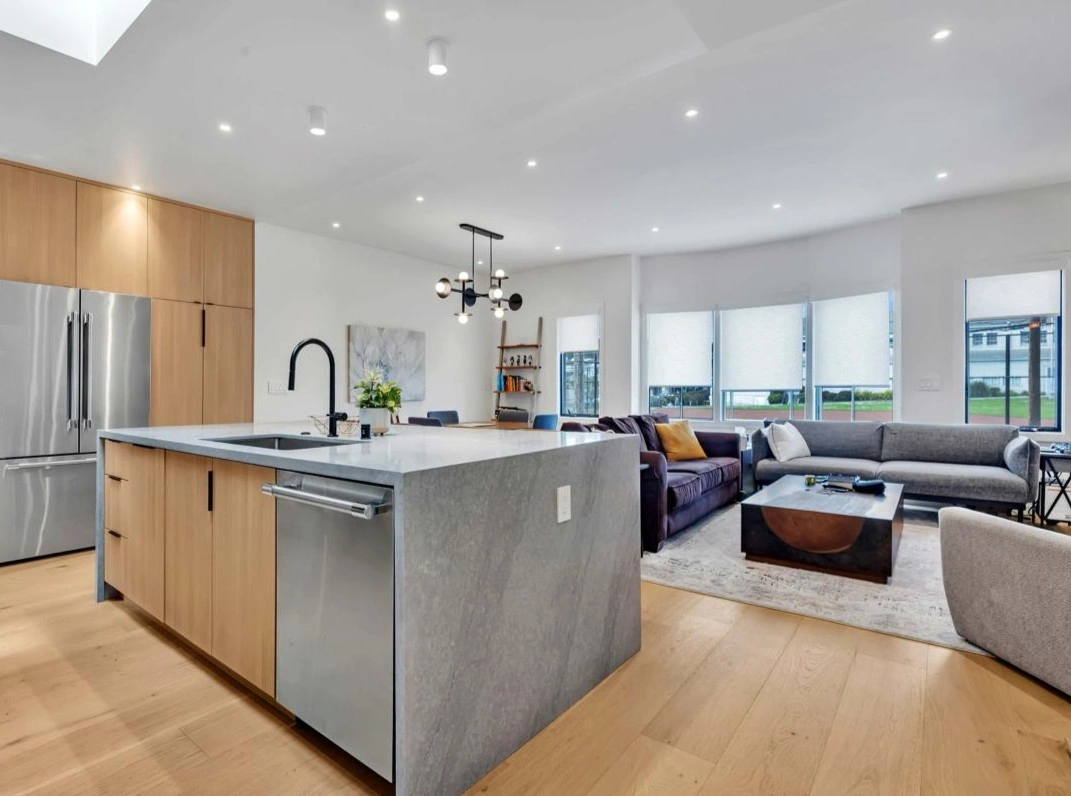
A homeowner designs a simple kitchen with restrained cabinetry and a large island intended to be the visual focus. A quartzite slab with dramatic natural movement becomes the primary design feature, so the premium supports the concept. In a kitchen where the counters are mostly covered by appliances and daily activity, a durable quartz pattern may deliver better value with less maintenance.
How this decision fits into the full kitchen project
Countertops are only one part of the total budget, which is why our Bay Area kitchen remodeling cost guide places surfaces beside cabinetry, trades, appliances and contingency. Together Home Remodeling’s kitchen remodeling team coordinates countertop selections with cabinets, sinks, appliances and installation details.
At Together Home Remodeling, we look at these choices in relation to the room that exists, the household using it, the permitted scope, the selected products and the construction sequence. That prevents one isolated upgrade from creating avoidable work somewhere else in the kitchen.
Experience-based planning: Bay Area homes vary in age, access, framing and existing systems. Final recommendations should follow field measurements, product specifications and a project-specific review rather than a generic online rule.
Frequently asked questions
Is quartzite the same as quartz?
No. Quartzite is natural stone; quartz countertops are engineered surfaces.
Does quartzite always cost more than quartz?
Not always. Pricing varies by slab, fabrication, availability and project details, so compare the exact materials and installed scope.
Which is better for a busy kitchen?
There is no universal answer. Many homeowners prefer quartz for predictability and maintenance, while others accept more care for the natural character of quartzite.
The bottom line on quartz versus quartzite
Quartzite is worth more only when the qualities you are paying for matter to you. If unique natural stone is central to the design, the premium can make sense. If consistency, ease of care and budget control matter more, quartz can be the stronger choice.