The right choice becomes much easier once the project is evaluated as a complete system rather than as one isolated feature.
Do disruptive, clearly necessary infrastructure and layout work before moving in when you already understand the scope. If the biggest questions are about how you will actually use the house, living in it first can prevent expensive design decisions based on assumptions.

Why this choice affects more than one line item
Occupied remodeling adds a second project inside the construction project: maintaining safe household operations. Access, dust control, temporary utilities and decision turnaround should be designed into the schedule rather than handled day by day.
Do disruptive, clearly necessary infrastructure and layout work before moving in when you already understand the scope. If the biggest questions are about how you will actually use the house, living in it first can prevent expensive design decisions based on assumptions. That means the useful question is not only “which option do I like?” It is “what else must change if I choose it, what risk does that create, and does the functional benefit justify the added scope?”
At Together Home Remodeling, we prefer to make these decisions while the plan is still inexpensive to change. Once demolition is underway or materials are ordered, the same change can affect several trades, lead times and inspections. A clear preconstruction decision reduces both rework and the number of allowances that remain unresolved in the contract.
Four variables that can change the recommendation
Whole-home remodeling is primarily a sequencing and systems problem. The goal is to prevent finished work in one room from being reopened because structure, wiring, plumbing, HVAC or another phase was not planned at the same time.
| Factor | Why it matters |
|---|---|
| Certainty of the desired layout | Can materially change scope, price, or feasibility. |
| Condition of electrical, plumbing and envelope | Should be resolved before final selections are locked. |
| Work that destroys finished surfaces | Often affects more than one trade or project phase. |
| Cost of carrying temporary housing later | Helps distinguish a durable solution from the cheapest-looking option. |
These factors also explain why an online average can be misleading. Two homes of similar size may have very different scopes when access, structure, existing utilities, drainage, previous work or finish expectations are different. The most useful comparison is a defined assembly against another defined assembly.
What our team would verify before locking the plan
Before treating this decision as final, we would want the drawings, field conditions and pricing assumptions to agree. The following checkpoints are designed to catch the conflicts that otherwise appear after work has started.
Ask the contractor to identify which parts of the decision are fixed scope, which are allowances, and which could still change after demolition. That distinction is more useful than a single total with no assumptions behind it.
Common mistakes that push cost into later phases
Most budget surprises are not caused by one expensive finish. They happen when an early assumption is treated as settled and later turns out to affect structure, rough utilities, waterproofing, grading, access or another trade.
- Remodeling every room before learning how the house functions
That can make the initial number look simpler while shifting cost or risk into a later phase. - Moving in before known disruptive system replacements
That can make the initial number look simpler while shifting cost or risk into a later phase. - Buying finish materials before the layout is settled
That can make the initial number look simpler while shifting cost or risk into a later phase.
A stronger process is to resolve high-impact unknowns first, keep optional finish upgrades visible as separate choices, and avoid using a low initial number to hide a scope item that the project is likely to need anyway.
A practical example
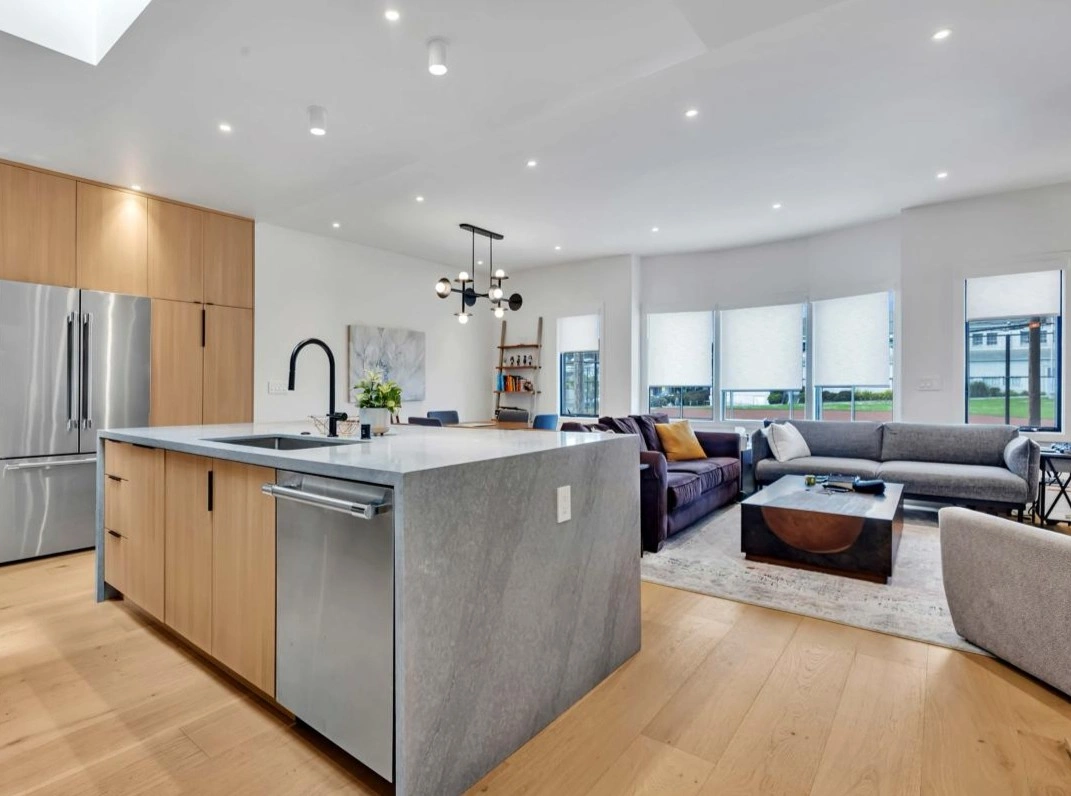
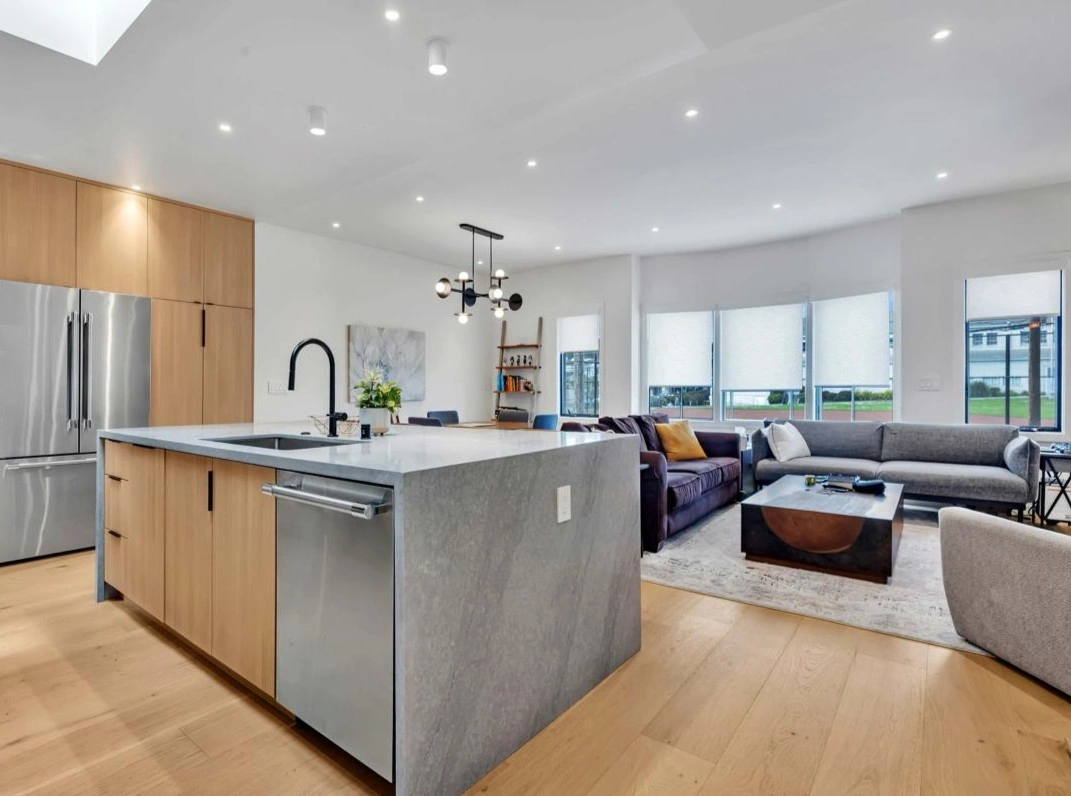
A buyer knows the electrical service, plumbing and flooring must be replaced but is unsure whether to open the kitchen to the living room. Doing the systems and destructive work before move-in while postponing the uncertain layout decision can be the balanced approach.
Connect this decision to the full project plan
This question is one piece of a larger planning sequence. For the complete framework, see our broader guide to home remodeling. It covers the broader order of decisions so one isolated choice does not create conflicts later.
If the project is moving from research into scope definition, our our home remodeling team page explains the service and the types of work we coordinate across design, planning and construction.
For Bay Area remodeling and outdoor projects, we focus first on scope clarity: existing conditions, the intended end use, permit and technical dependencies, materials, and a construction sequence that can actually be built.
Questions to settle before construction
Should I Remodel Before Moving In or Live in the House First?
Do disruptive, clearly necessary infrastructure and layout work before moving in when you already understand the scope. If the biggest questions are about how you will actually use the house, living in it first can prevent expensive design decisions based on assumptions.
What should be checked before making this timing decision decision?
At minimum, review do known infrastructure work before new finishes, separate “must fix” from “need to live here to understand”, and plan floors and wall openings before furniture arrives. The goal is to resolve dependencies before final pricing and finish work.
Why can two reasonable contractors recommend different approaches?
They may be making different assumptions about certainty of the desired layout, condition of electrical, plumbing and envelope, and work that destroys finished surfaces. Ask each proposal to state those assumptions so the recommendations can be compared on the same scope.
The practical takeaway
Do disruptive, clearly necessary infrastructure and layout work before moving in when you already understand the scope. If the biggest questions are about how you will actually use the house, living in it first can prevent expensive design decisions based on assumptions. Define the surrounding scope before comparing prices, and make the decision while the plan is still easy to change.